Garden snails reappear in Stoke-on-Trent after a summer drought, showing aestivation behavior and leaving patterned trails, observed by a local resident.
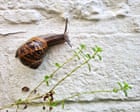
Garden snails have reappeared in residential gardens across Stoke-on-Trent after a prolonged summer drought, leaving distinctive slime trails on damp soil.
Snail behavior after the dry spell
During the drought, the molluscs sealed themselves inside their shells, forming a thin, pearl‑like barrier called an epiphragm. The barrier conserves moisture while the snails slow their heart rate and breathing. When humidity returned, the snails emerged, dragging mucus that creates the intricate patterns observed by gardeners.
Local observation
Josie George, a garden owner in Staffordshire, said she found the snails “dry and still” throughout the hot weeks and placed them behind garden pots until conditions improved. She added, “Seeing them pull back into their shells and then reappear felt like a lesson in resilience.”
Biological context
Aestivation, the term for the snails’ dormant state, is a common survival strategy among land molluscs facing extreme heat or dehydration. The epiphragm, which the snails secrete, is composed of mucus and calcium carbonate, creating a semi‑impermeable seal.
Implications for local wildlife
The return of the snails signals that soil moisture levels have risen enough to support small invertebrates again. Gardeners in the area have reported similar observations of other moisture‑dependent species, suggesting a broader ecological response to the end of the dry period.
George plans to monitor the snails throughout the remainder of the season, noting any further changes in their activity as weather patterns shift.


0 Comments