British farmers face the worst bluetongue season on record as cases exceed the past three years combined, spreading to Aberdeenshire amid climate‑driven shifts.
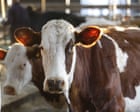
British livestock farmers are facing the worst bluetongue season on record after viral cases surpassed the combined total of the past three years.
The disease has spread to livestock as far north as Aberdeenshire, driven into new geographic territories by shifting weather patterns linked to the climate crisis.
Symptoms and severe physical impacts
Bluetongue primarily affects sheep and cattle, along with other susceptible animals. The viral infection causes debilitating symptoms that impair livestock health and farm operations.
Key symptoms observed in affected herds and flocks include:
- High fevers and mucosal inflammation
- Ulcers in and around the mouth
- Swollen head and localized facial tissue swelling
- Severe lameness preventing normal movement
- Distinctive blue discoloration of the tongue, which may protrude from the mouth
In the most severe cases, the infection causes fatal outcomes in affected animals.
African origins and northern movement
The virus originally emerged in Africa before establishing footholds across broader regions. Environmental shifts connected to the climate crisis have enabled the disease to migrate significantly further north than in previous transmission cycles.
The current transmission surge represents the largest cluster of cases recorded in recent years. Agricultural operators across affected areas continue monitoring livestock for early indications of infection to limit operational losses.


0 Comments